 Online Satış

Today, the area where Kazancı village was established is located on the historic and strategic Silk Road, which connected the cities of Prusias and Ankyra during the Byzantine period. The well and marble sarcophagus from those times can still be seen in the village square, which is now called the meadow area. Additionally, historical records and field research indicate that the Byzantines had vineyards in this area and produced wine.
Later, in 1299, when Turgut Alp conquered İnegöl and its surroundings, the Kazancı region served as a buffer zone between the Byzantine Empire and the Ottoman Empire, defining the border between them and the Kestel Tekfuru. With the Battle of Dimbos (Erdoğan Village) in 1303, the region fell completely under Ottoman rule. During the Ottoman period, the Kazancı region did not become a settlement or residential area.
Another important issue is the origin of the name “Kazancı” for the region. Although it is not known when and by whom the name was given to the area, it is seen in the Ottoman land registers that the fields on Kazancı Hill at the entrance of Aksu village, located to the west of our village and established as an early Ottoman settlement, were referred to as “Kazancı Bayırı Mevkisi” (Kazancı Hill Location) during the Ottoman period. It is clearly understood that the area was called Kazancı Bayırı during the Ottoman period. From the early 1850s, during the reign of Sultan Abdülmecid, a gendarmerie post (Jandarma) was established on Kazancı Hill for the security and control of the road, and a stable was built just below it. This gendarmerie building was rebuilt in the early years of the Republic in 1938 and served military personnel until 1973 (until the road was relocated). It is currently used as the village headman’s office.
In 1878, when the lands of Bosnia where our ancestors lived fell to the Austro-Hungarian Empire and the Ottoman Empire withdrew from Bosnia, our ancestors, who came from Bosnia with a population of 40 households, were settled in the area where the Kazancı Gendarmerie Post (Asakir-i Zaptiye Karakolu) is located on the Bursa-Inegöl road by the Ottoman Empire. In order to provide for the livelihood of the migrating ancestors, the Ottoman State granted 10 acres of land to each household, enabling them to sustain themselves through agriculture and animal husbandry.
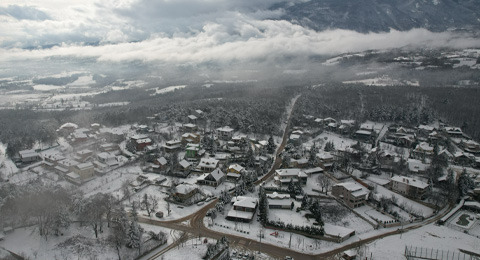
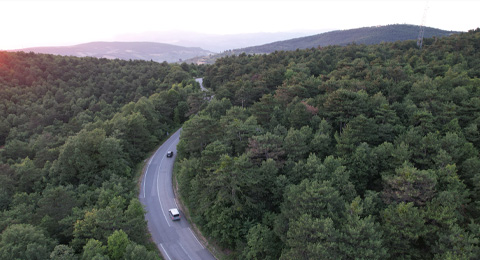
When the village was occupied by the Greeks in 1920, our village remained within the front lines for 2 years. Because it was within the front lines, people had to migrate to Bursa and other cities. Additionally, due to the strategic importance of the area where the gendarmerie post was located, it was used by the enemy as a higher command center. As the area was a dominant hill overlooking İnegöl, Greek soldiers continuously bombarded İnegöl with heavy artillery day and night. The region, known for its most severe battles, still bears traces of trenches dug by Greek soldiers in the forests. When the Greek occupation ended in 1922 and the families returned to the village, thirty of them abandoned the idea of settling down after seeing that the village had been destroyed and looted. The remaining ten households rebuilt the village and revived life there. While the calendar showed February 1952, Turkey’s entry into NATO led to the passage of the NATO international oil pipeline through Kazancı for refueling warplanes, and this pipeline is still active. In 1973, the route of the road passing through Kazancı was changed to its current location, leaving the old Kazancı road. Between 1921 and 1980, only ten households lived in Kazancı, and after the 1980s, a few villas were built.
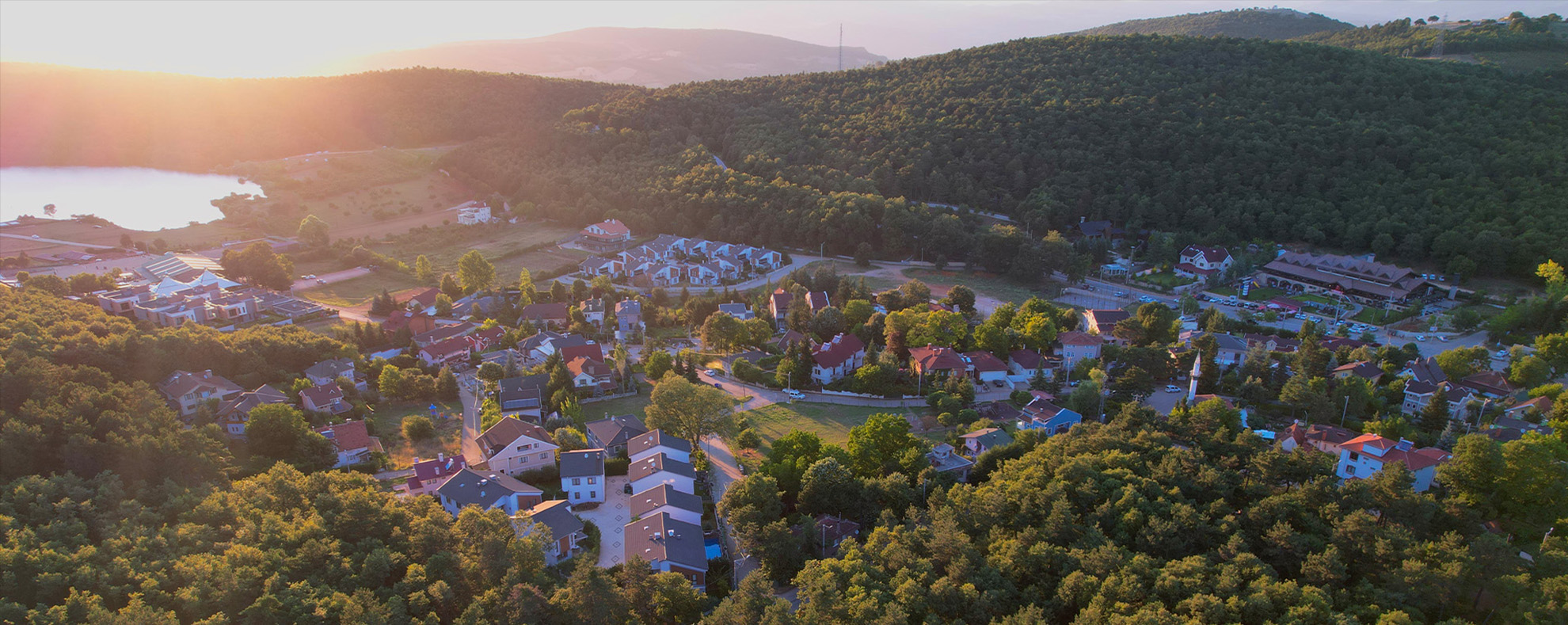
Especially after the 1999 earthquake, soil studies conducted on Kazancı’s sturdy ground, natural beauty, ease of transportation, and its location as a resort area at the foot of Uludağ increased its reputation, leading to the construction of villas by well-off families from İnegöl. Some villas and housing complexes are still being built. Currently, our village is home to 150 villas, which are mainly occupied during the summer months. The four households, including ours, are native to the village and have been the only locals living in Kazancı since its establishment.
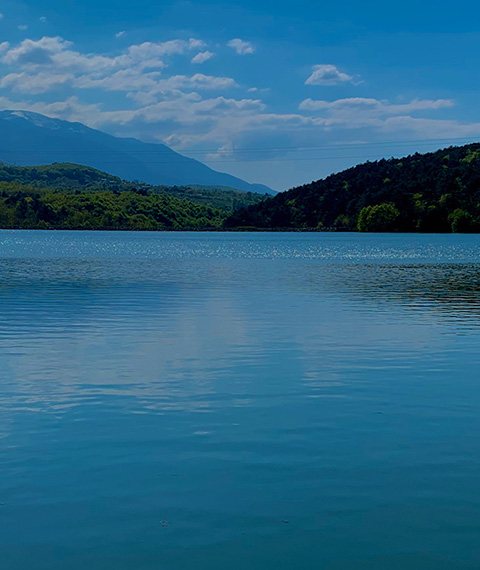
In 2006, the State Hydraulic Works (DSİ) built a dam in the old pasture area of our village, which is still in operation. The water from the eastern part of our village flows to the Black Sea through İnegöl, while the water from the western part flows to the Sea of Marmara through Bursa. Additionally, there is not a single household in Kazancı that relies on agriculture and animal husbandry for a living; all activities are based entirely on tourism.
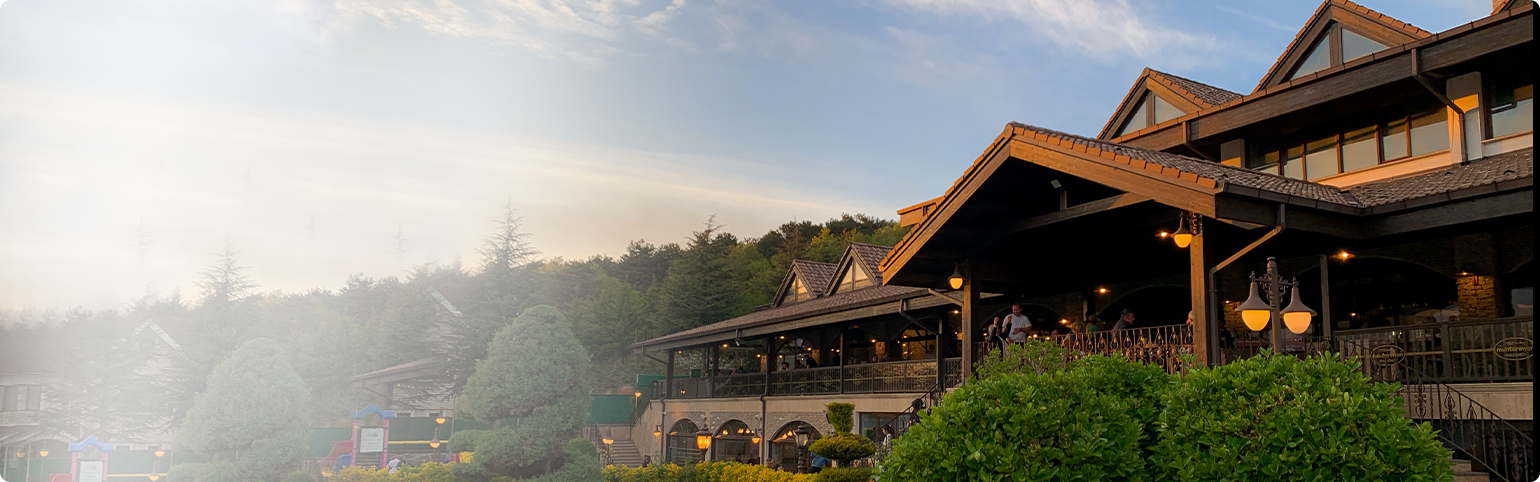
Muhtarın Yeri, which was opened in 1995 by Yakup Fidan, a grandson of Ömer Turan from the Tanović family who migrated to the village from the capital of Bosnia, Sarajevo, and was elected as the headman in 1994, is the first and oldest establishment in Kazancı and on the old İnegöl-Bursa road. It was opened in a 15m² kiosk to promote the village, attract visitors, and contribute to its development and prosperity by selling toast, biscuits, and tea. Perhaps most importantly, it is the most beautiful witness and testament to all these memories.
The area where Kazancı village is located today was situated on the historical and strategic Silk Road, which connected the cities of Prusias and Ankyra during the Byzantine period. A well and a marble sarcophagus dating back to those times can still be seen in the village’s meadow area, which is now called the village square. Historical records and field research also indicate that the Byzantines had vineyards in this area and produced wine.
Later, in 1299, with the conquest of İnegöl and its surroundings by Turgutalp, the Kazancı region served as a buffer zone between the Ottoman Empire and the Kestel tekfur, determining the border between the Byzantine and Ottoman Empires. With the Battle of Dimbos (Erdoğan village) in 1303, the region came completely under Ottoman rule. During the Ottoman period, the Kazancı region did not have any settlements or residential areas.
Another important point is that while it is not known when and by whom the name Kazancı was given to the region, it is clear from the Ottoman land registry records that the fields on Kazancı Hill at the entrance of Aksu village, which was founded by Çiçek dede, one of the scholars of the time and located to the west of our village, were referred to as “Kazancı Hill Area” during the Ottoman period. From the early 1850s during the reign of Sultan Abdülmecid, a gendarmerie post (Asakir-i Zaptiye) was built on Kazancı Hill for the safety and control of the road, and a stable was also built just below it. This gendarmerie post was rebuilt in the early years of the Republic in 1938 and served military personnel until 1973 (until the new route of the road was moved). It is currently used as the muhtar’s office.
In 1878, when the lands where our ancestors lived in Bosnia were ceded to the Austro-Hungarian Empire and the Ottoman Empire withdrew from Bosnia, our ancestors, consisting of 40 households, were settled by the Ottoman State in the area where the Kazancı Gendarmerie Post was located on the Bursa-İnegöl road. To ensure their livelihoods, the Ottoman State allocated 10 hectares of land to each household, enabling them to sustain themselves through agriculture and animal husbandry.
In 1920, when our village was invaded by the Greeks, our village remained within the war zone for 2 years. Due to being in the war zone, the inhabitants were forced to migrate to Bursa and other cities. Additionally, due to the strategic importance of the area where the gendarmerie post was located, it was used by the enemy as a command center, and since the area dominated İnegöl from a hill, Greek soldiers constantly bombarded İnegöl day and night. As a region that witnessed some of the fiercest battles, it is possible to see the traces and locations of trenches dug by Greek soldiers still in the forests in the area mentioned in historical sources. When the Greek occupation ended in 1922 and the families who returned to the village saw that thirty of the village’s houses had been destroyed and plundered, they decided not to settle. The remaining ten households rebuilt the village and revived life. In February 1952, when Turkey joined NATO, the NATO international oil pipeline also passed through Kazancı to supply warplanes, and this pipeline is still active. In 1973, the route of the road passing through Kazancı was changed to its current location, and the old Kazancı road remained as the old road. Between 1921 and 1980, only ten households lived in Kazancı, and a few villas were built after the 1980s.
Especially after the 1999 earthquake, Kazancı’s solid soil structure, natural beauty, ease of transportation, and its location as a summer resort at the foot of Uludağ have contributed to its fame. This has led to the construction of villas by affluent families from İnegöl, and some villas and residential complexes are still being built. Currently, our village is home to 150 villas, which are mostly inhabited during the summer months. The four households, including ours, are natives of the village and have been the only residents to continuously live in Kazancı since its establishment.
In 2006, the State Hydraulic Works (DSİ) constructed a dam in the old pasture area of our village, which is still in operation. The water from the eastern part of our village flows to the Black Sea through İnegöl, while the water from the western part flows to the Sea of Marmara through Bursa. Additionally, there is not a single household in Kazancı that relies on agriculture or animal husbandry for a living; all activities are based on tourism.
Muhtarın Yeri was opened in 1995 by Yakup Fidan, the village headman elected in 1994, with the aim of promoting the village, attracting visitors, and contributing to its development. Yakup Fidan, the grandson of Ömer Turan from the Tanović family who migrated from Sarajevo, the capital of Bosnia, to the village, started this initiative by selling toast, biscuits, and tea in a 15m² kiosk. Muhtarın Yeri is not only the first and oldest establishment on the old İnegöl-Bursa road, but also the living witness and testimony of all these memories, making it perhaps the most important place in Kazancı’s history.